Introduction
Choosing the right bulldozer for your project isn’t just about power — it’s about matching machine capabilities to your job requirements. Whether you’re hiring, buying new or refurbished, or managing a fleet, this guide will walk you through key selection factors and essential maintenance tips.
Step 1: Understand Your Project Needs
Different applications require different machines:
Light earthmoving and grading — smaller, compact dozers
Heavy construction and mining — large crawler dozers
Landfill or demolition work — models with specialized blades and attachments
Step 2: Compare Operating Weight and Engine Power
Operating weight and engine horsepower are critical indicators of a bulldozer’s capacity:
Higher weight = better traction and push force
Higher horsepower = greater efficiency on tough terrain and heavy loads
Always match these specifications to your workload to avoid under-powered performance or unnecessary operational costs.
Step 3: Consider Attachments and Blade Types
Blades come in different types:
Straight (S-blade) – for leveling and fine grading
Universal (U-blade) – great for pushing large volumes
Combination (SU-blade) – balance between pushing power and versatility
Choosing the right blade design enhances job effectiveness.
Step 4: New vs Used vs Rental Options
New dozers offer latest tech but come at premium cost
Used/refurbished machines provide good value with reliable performance
Rental options are ideal for short-term or seasonal projects — saving capital expenditure
Maintenance Tips for Peak Performance
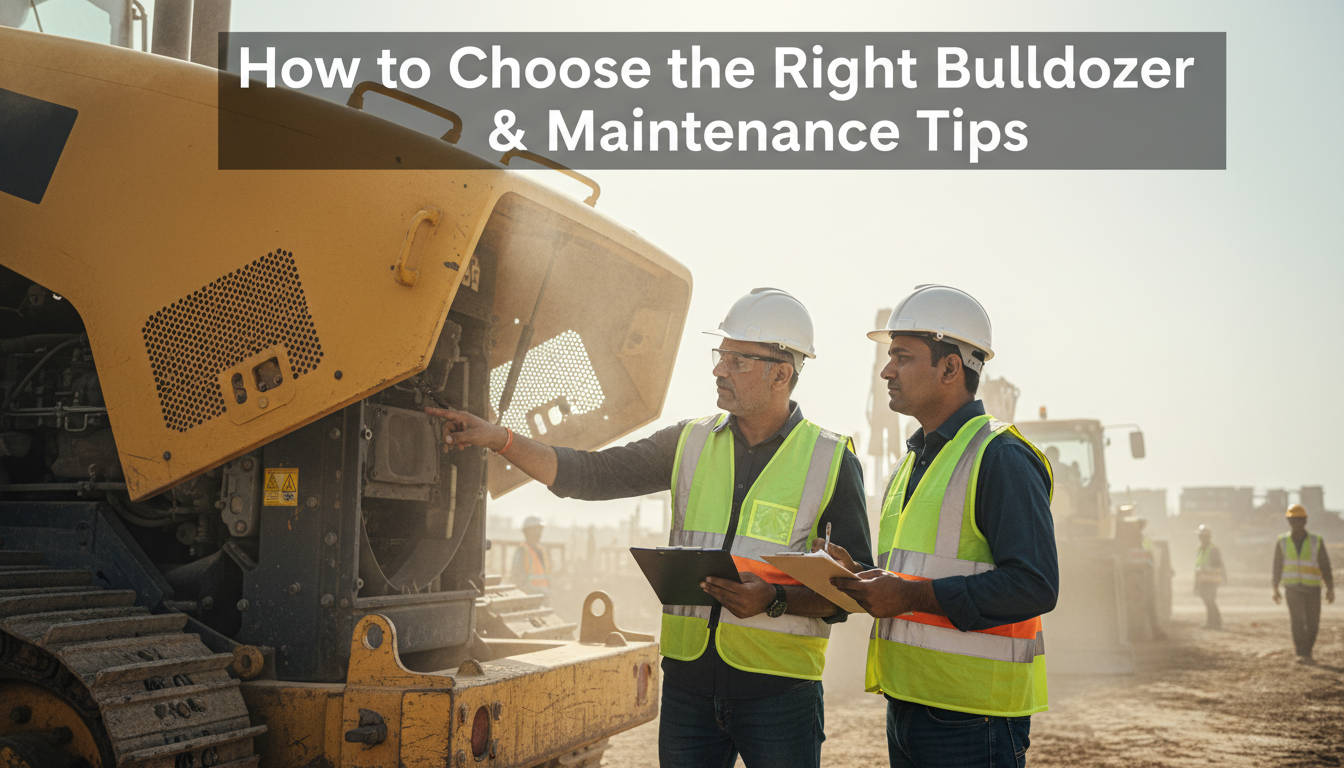
1. Regular Inspection
Daily inspections of tracks, undercarriage, and hydraulics catch early wear and tear.
2. Track Tensioning
Proper track tension increases traction and extends undercarriage life.
3. Fluid Checks
Monitor engine oil, coolant, and hydraulic fluids — clean, correct levels prevent overheating and component damage.
4. Clean Filters
Air, fuel, and hydraulic filters must be cleaned or replaced regularly to maintain consistent flow and machine efficiency.
5. Blade & Cutting Edges
Inspect blade assembly and cutting edges frequently — worn edges lower productivity and raise fuel consumption.
Safety and Operator Training
A well-trained dozer operator greatly reduces the risk of accidents, improves fuel efficiency, and prolongs machine life. Ensure operators are familiar with terrain challenges, machine controls, and safety protocols.
Conclusion
Selecting the right bulldozer and maintaining it properly can dramatically influence your project success and profitability. By understanding specifications, usage environments, and maintenance best practices, you’ll ensure maximum uptime, reduce costs, and achieve better outcomes across every job site.