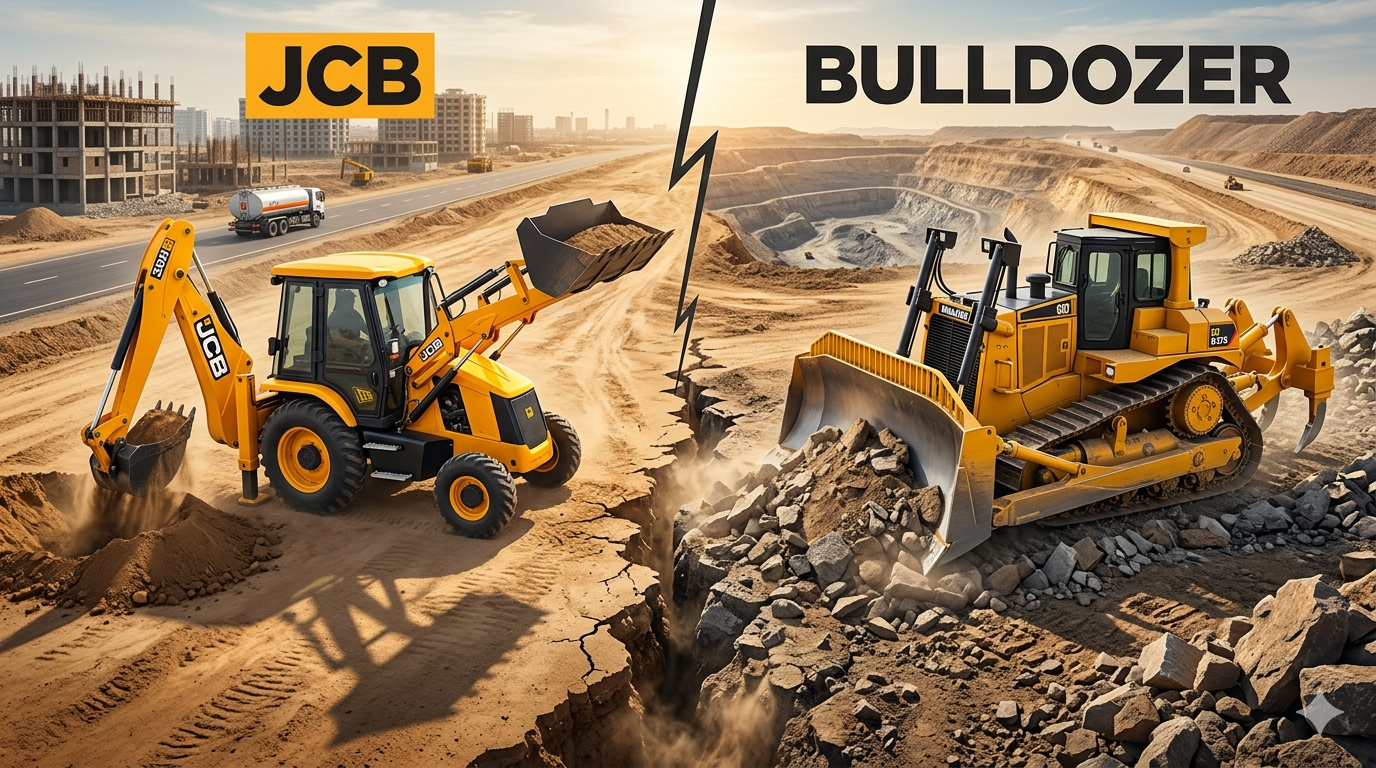
Selecting the right bulldozer is an important decision for construction companies, mining contractors, infrastructure developers, and earthmoving businesses. While horsepower and blade capacity often receive the most attention, one factor that significantly affects performance is the machine’s mobility system.
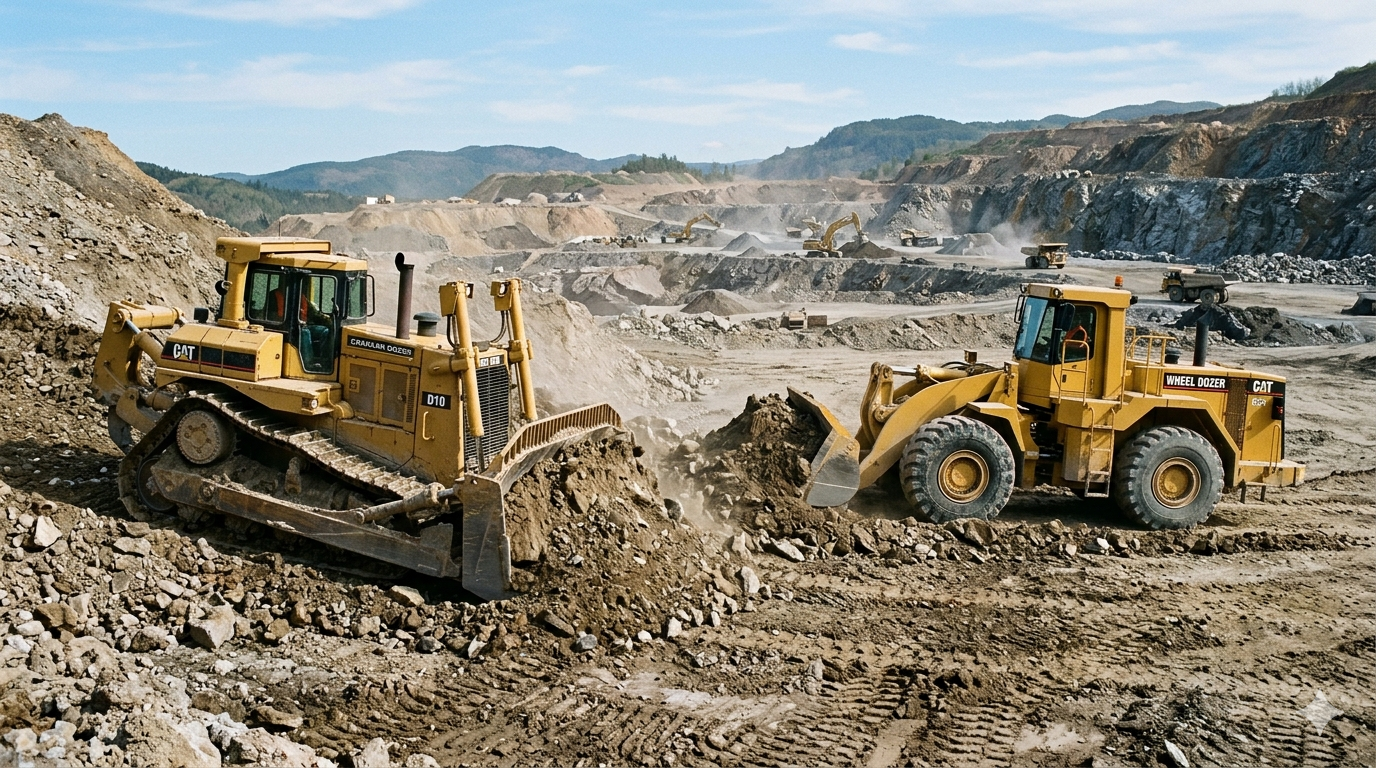
Bulldozers are generally available in two primary categories — Crawler Dozers and Wheel Dozers. Both machines are designed for pushing, grading, clearing land, and moving materials, but they perform differently depending on terrain conditions, project requirements, and operating environments.
Understanding the difference between crawler and wheel dozers helps businesses improve productivity, reduce operating costs, and select equipment that matches project demands.
What is a Crawler Dozer?
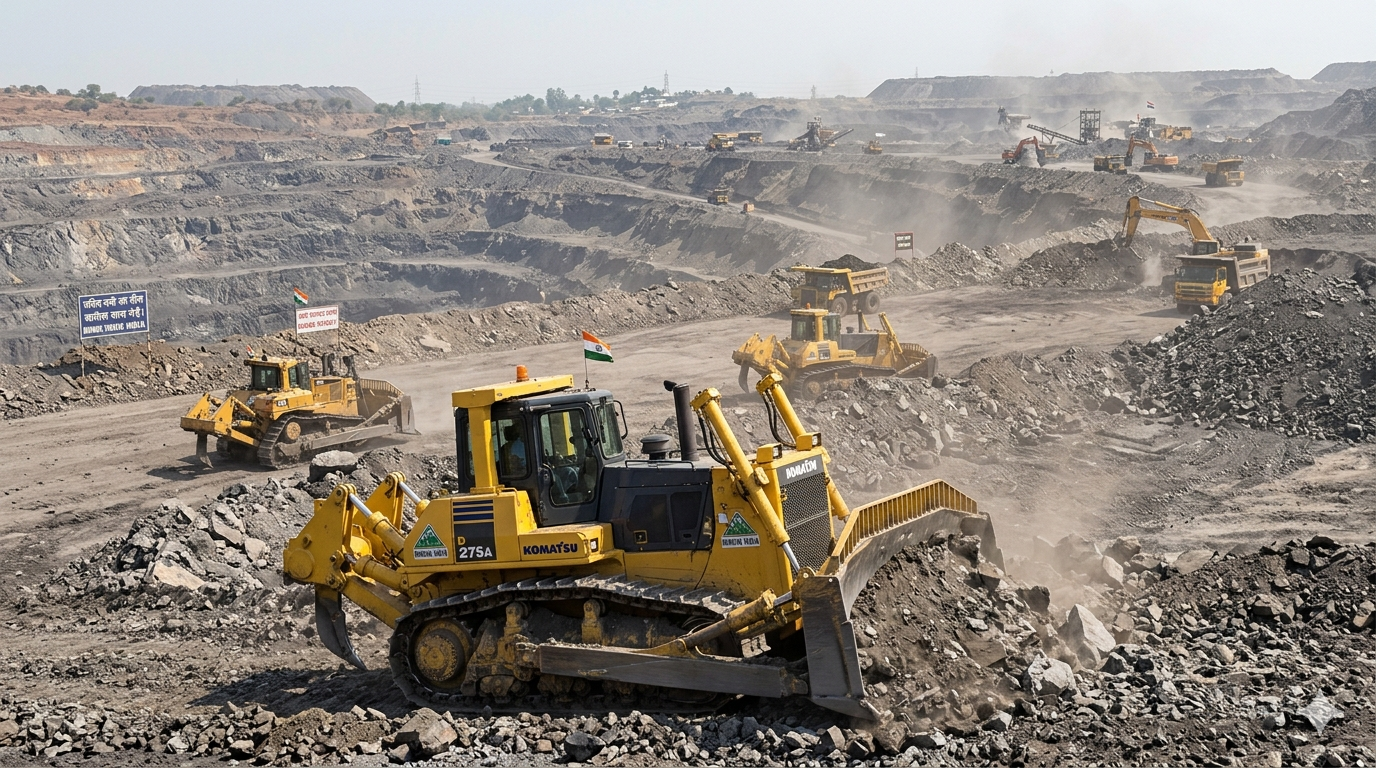
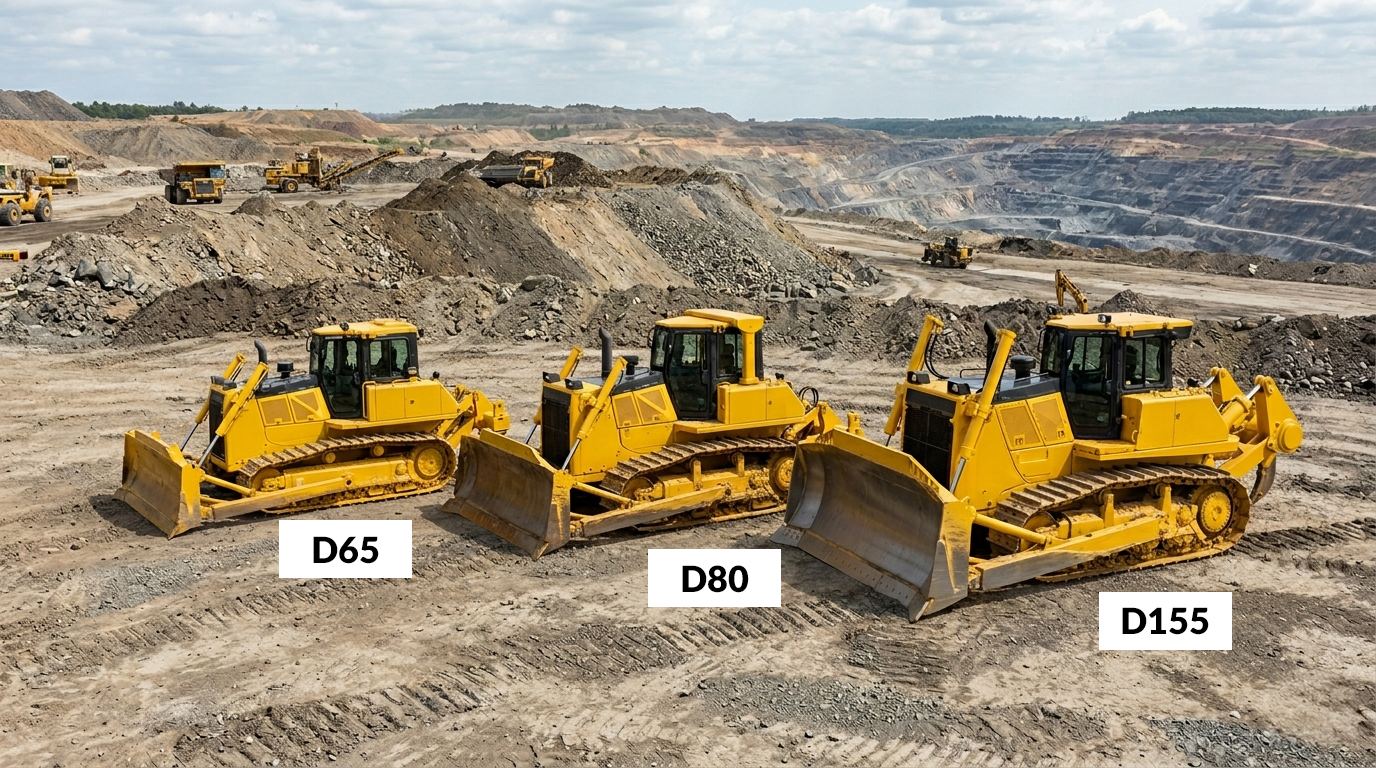
A crawler dozer operates using continuous steel tracks instead of wheels. These tracks distribute machine weight over a larger surface area, allowing the dozer to work effectively on uneven or soft ground.
Crawler dozers are commonly used in:
- Mining operations
- Land development
- Quarry projects
- Road construction
- Heavy earthmoving applications
- Forest clearing projects
Because of their strong traction and stability, crawler dozers are preferred for demanding work environments.
Advantages of Crawler Dozers
1. Better Traction on Difficult Terrain
Tracked systems provide improved grip on rough surfaces such as:
- Mud
- Loose soil
- Rocky areas
- Sand
- Uneven ground
This allows machines to maintain performance even under challenging site conditions.
2. High Pushing Capacity
Crawler dozers can push larger material volumes because of increased surface contact and traction.
This makes them suitable for:
- Heavy excavation
- Overburden removal
- Mining operations
- Large-scale site preparation
3. Greater Stability
The wider footprint provides improved machine balance on slopes and uneven surfaces.
Limitations of Crawler Dozers
Crawler dozers also have certain limitations:
- Slower movement speed
- Higher maintenance requirements for tracks
- Increased transportation requirements between project locations
- Less suitable for paved surfaces
What is a Wheel Dozer?
Wheel dozers use tire-based systems instead of tracks. They are designed for projects requiring greater mobility and faster movement across job sites.
Wheel dozers are commonly used for:
- Urban construction
- Industrial projects
- Surface material handling
- Medium earthmoving operations
- Landfill projects
Because they travel faster than crawler machines, they are often selected for sites requiring frequent relocation.
Advantages of Wheel Dozers
1. Faster Travel Speed
One of the biggest advantages of wheel dozers is mobility.
Machines can move quickly across:
- Large construction sites
- Roads
- Industrial areas
- Multiple work locations
This helps improve overall efficiency.
2. Lower Surface Damage
Wheel dozers generally create less damage on paved areas and finished surfaces.
This makes them useful for:
- Urban development projects
- Industrial facilities
- Surface maintenance work
3. Reduced Transportation Challenges
Wheel dozers can often travel directly between nearby work areas without requiring special transport arrangements.
Limitations of Wheel Dozers
Wheel dozers may face challenges in demanding environments:
- Lower traction on muddy surfaces
- Reduced performance on steep slopes
- Less effective on soft terrain
- Lower pushing capability for certain applications
Crawler Dozer vs Wheel Dozer: Quick Comparison
| Feature | Crawler Dozer | Wheel Dozer |
|---|---|---|
| Mobility | Slower | Faster |
| Terrain Performance | Excellent on rough ground | Better on stable surfaces |
| Traction | High | Moderate |
| Surface Damage | Higher | Lower |
| Mining Applications | Excellent | Limited |
| Urban Construction | Moderate | Excellent |
| Heavy Earthmoving | Excellent | Moderate |
| Maintenance Focus | Track maintenance | Tire maintenance |
Which Dozer Performs Better for Different Industries?
Mining Industry
Crawler dozers usually perform better because mining environments involve rough terrain, loose material, and heavy workloads.
Road Construction
Crawler machines often provide stronger grading performance and earthmoving capability.
Urban Construction Projects
Wheel dozers can be advantageous because of their faster movement and reduced surface impact.
Quarry Operations
Crawler machines generally offer stronger traction and pushing power.
Landfill Projects
Wheel dozers may perform well where speed and mobility are important.
How to Select the Right Dozer for Your Project
Before selecting equipment, businesses should evaluate:
Site conditions
Soft and rough terrain generally favors crawler machines.
Project size
Large-scale earthmoving may require greater traction and blade capacity.
Machine movement requirements
Projects involving multiple locations may benefit from wheel dozers.
Operating costs
Fuel consumption, maintenance requirements, and transportation expenses should all be considered.
Final Thoughts
There is no single bulldozer that performs better in every situation. The right choice depends on project requirements and operating conditions.
Crawler dozers typically deliver stronger traction, better stability, and higher productivity for mining and heavy earthmoving projects. Wheel dozers provide speed, flexibility, and easier movement for urban and industrial applications.
Understanding project demands before selecting equipment can improve operational efficiency and reduce overall project costs.